Choose for the trail you actually walk

Best barefoot hiking shoes

Find a pair for your usual terrain: light mesh for dry paths, deep lugs for soft ground, or a waterproof boot with more sole underfoot.

Guide checked

The short answer

Less boot, deeper tread, or a waterproof barrier?

This guide contains affiliate links. We may earn a commission if you buy through them, at no extra cost to you.

For mostly dry paths, start with the light mesh Xero Mesa Trail II. If soft ground and a full leather upper matter more, compare the Vivobarefoot Tracker Forest ESC. For wet walks and more sole underfoot, the Lems Boulder Summit Waterproof is the more protected starting point.

You don’t need the biggest boot for the smallest walk. Choose the construction you need, then check the fit with the socks you’ll actually wear.

Match the construction to the walk

Three different starting points

Compare the trade-offs before the brand. These choices are based on current model specifications; they are not a head-to-head wear test.

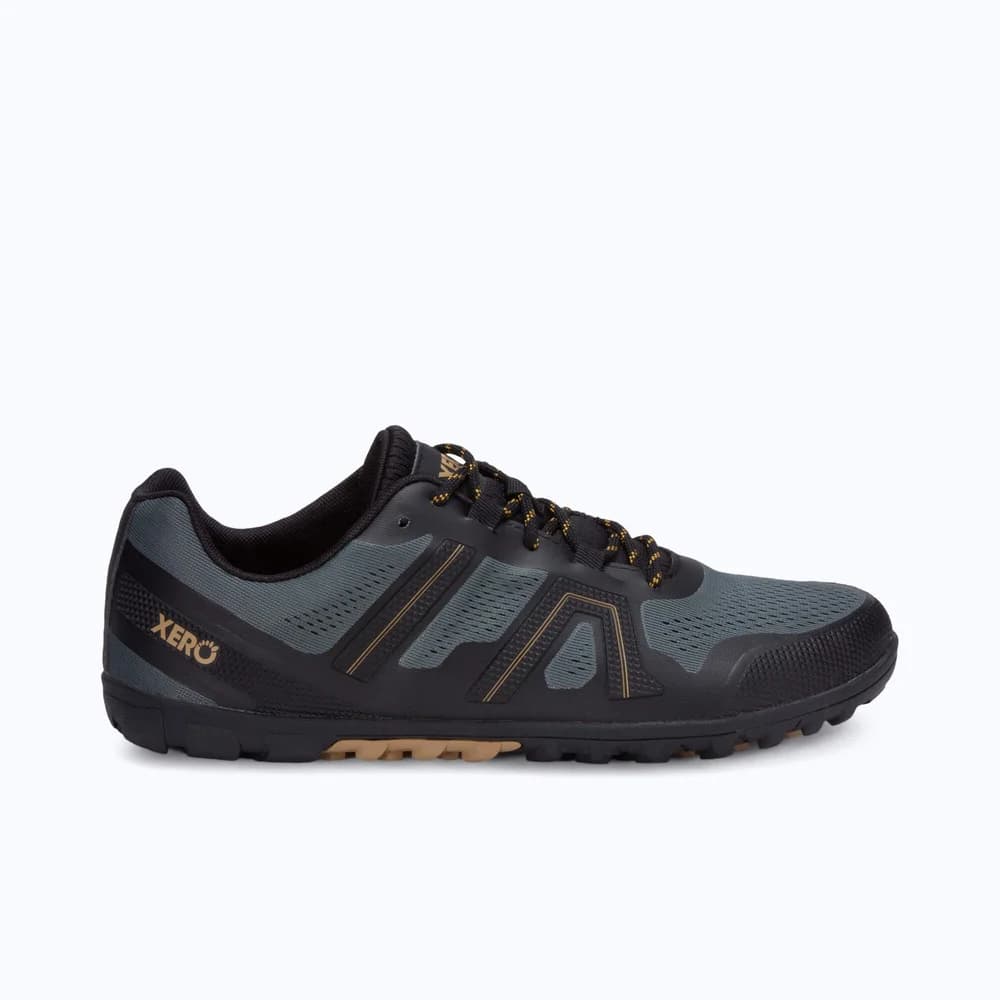
Xero Mesa Trail II in Forest, showing the mesh upper and low-cut profile

Xero Mesa Trail II

Best for

Light shoes for mostly dry paths

Start here if you want a low mesh shoe rather than a leather boot. The adjustable instep straps, 3.5 mm lugs and TrailFoam layer suit a light, flexible trail setup.

Upper
Breathable mesh
Fit
Xero recommends your usual size
Check
Heel hold and downhill toe clearance

The trade-off: Skip it when keeping rain out is the priority. Mesh and a low collar leave you exposed to water; this is not the waterproof Mesa model.

See the women’s Mesa Trail IICheck Xero’s model sizingView Mesa Trail II at Xero
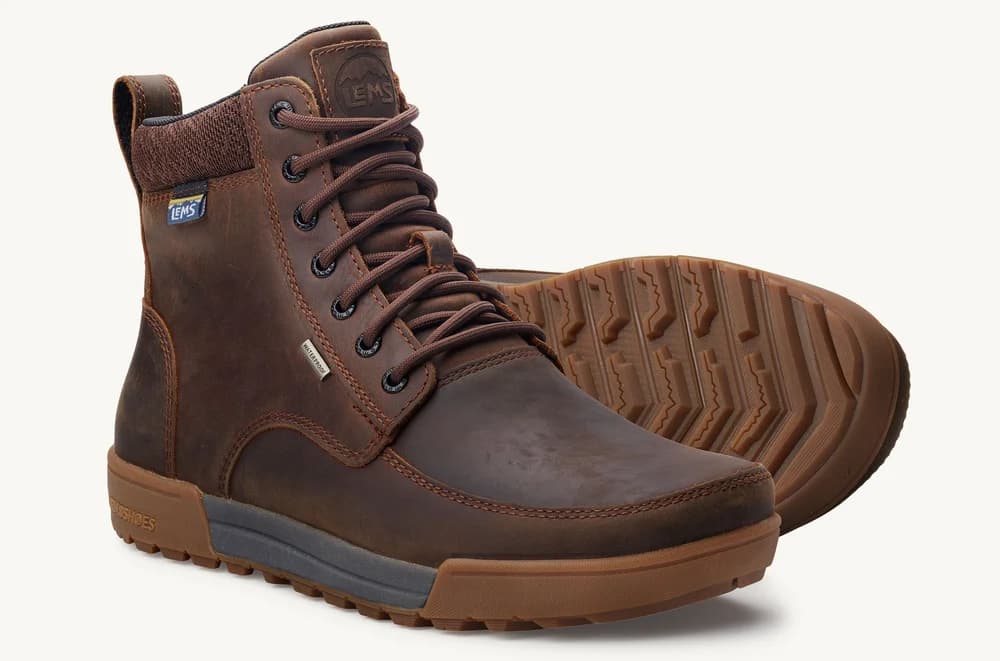
Vivobarefoot Tracker Forest ESC leather boot, showing the tall upper and deep outsole lugs

Vivobarefoot Tracker Forest ESC

Best for

Deep lugs and a full boot for soft ground

The 7 mm Michelin ESC lugs make this the soft-ground starting point here. Choose it when you want a tall leather upper and a thin sole base rather than the Lems’ thicker platform.

Outsole
2.5 mm base + 7 mm lugs
Fit
Vivo describes this model as true to size
Weather
Water-resistant leather; no membrane

The trade-off: Water-resistant, not membrane-waterproof. The leather needs care, and a substantial boot is more than you need for an easy dry path.

See the women’s Tracker Forest ESCCheck Vivo’s size guide

Current Vivobarefoot offers

Our code

View Tracker Forest ESC at Vivo
Lems Boulder Summit Waterproof boots in Rugged Bark

Lems Boulder Summit Waterproof

Best for

Wet walks with more sole underfoot

Choose this when a waterproof membrane and a thicker platform matter more than maximum ground feel. Lems pairs a gusseted tongue with a 16 mm zero-drop stack and 4 mm lugs.

Weather
Waterproof membrane
Fit
Lems says true to size; unisex width
Underfoot
16 mm stack; removable insole

The trade-off: The thicker sole is a compromise if you want a very minimal feel. Lems’ “Widest” label describes its own last, not a guarantee that an extra-wide foot will fit.

See the women’s Boulder SummitCheck Lems’ size guideView Boulder Summit at Lems
Before you order

Check the bits a ‘barefoot’ label cannot tell you

Fit comes before the features

Measure both feet, then use the exact model’s chart. Check toe clearance on a downward slope, heel movement and pressure over your instep. Try the shoes indoors with your hiking socks while they are still returnable.

Don’t size up just to buy width: extra length can leave the heel loose. If none of these shapes works, use the Finder to narrow the wider catalogue, then check the maker’s dimensions.

Measure your feet →

Rain protection and grip are different jobs

A membrane is useful when keeping water out matters. Water-resistant leather is a different construction, and water can enter either over the collar. Don’t buy a waterproof boot expecting it to solve every wet crossing.

Deep lugs are a reason to consider a shoe for soft ground, not proof of grip on wet rock or ice. Check the whole outsole and the terrain you expect; no pair here is an ice-traction or mountaineering recommendation.

Choose socks without crowding your toes →

If thin soles are new to you, make the first outing a short, familiar walk. A long descent with a loaded pack is a poor place to discover that you want more underfoot protection.

Need a different fit?

Take your shortlist a little further

Start the Finder with trail and hiking selected, then add your fit and other preferences. Or browse the full hiking catalogue below.

Prefer a boot? The zero-drop hiking boots guide covers the wider boot choice.

Compare shoes

Browse all barefoot hiking shoes

Explore 103 hiking models beyond the shortlist. Filter by shoe type, audience and features, then check the exact model’s fit and weather construction.

Missing from this keyword list?

List your barefoot shoes on Minimal-list so shoppers comparing by style, use case, and budget can find you in this directory.

Add your products
Commonly asked questions

Barefoot hiking questions

Choosing between shoes and boots, checking fit, and understanding weather protection.

Which barefoot hiking shoe should I start with?

For mostly dry paths and a light mesh shoe, compare the Xero Mesa Trail II. For deep lugs and more upper coverage, look at the Vivobarefoot Tracker Forest ESC. For a waterproof membrane and more sole underfoot, compare the Lems Boulder Summit Waterproof. Fit and your usual terrain should decide between them.

Are water-resistant hiking boots waterproof?

No. The Tracker Forest ESC uses water-resistant leather without a waterproof membrane. The Boulder Summit Waterproof has a membrane and gusseted tongue. Water can still enter any boot over the collar; neither label makes a boot suitable for every wet route.

Is a wide toe box enough for wide feet?

No. Check width at the forefoot, space over the instep, heel hold and toe clearance with your hiking socks. A brand’s wide label is not a measurement and sizing up can leave the heel loose. Use model-specific size guidance and a workable return option.

Do I need boots rather than shoes for hiking?

Start with the terrain and weather. A low mesh shoe is a useful option for dry paths when you want less material around your foot. A boot adds upper coverage and may add weather protection, but collar height alone does not establish ankle support or grip.

Weekly roundup

Get barefoot shoe sales in one weekly email

One weekly roundup of current barefoot shoe sales, listed discount codes, reviews, and directory updates.

One email a week. No inbox spam ever.