Xero Shoes Mesa Summit Review: The Mesa Trail Fix I Wanted

Quick verdict
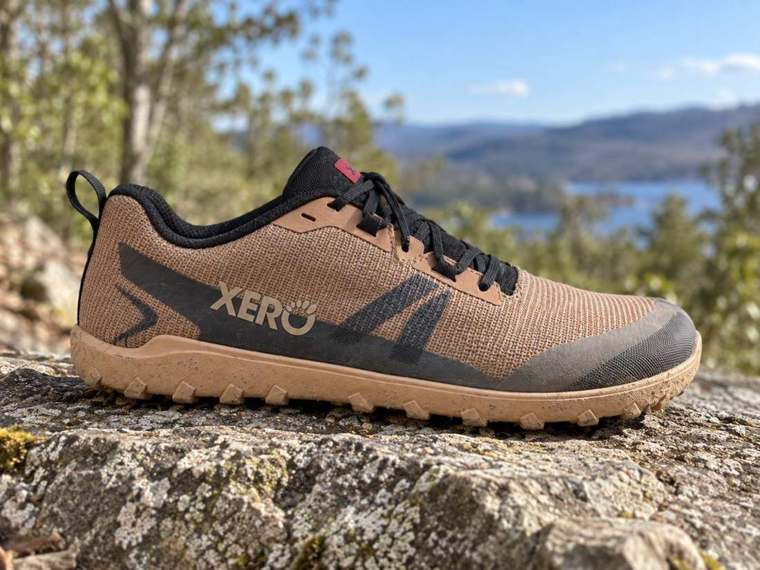
For rocky trails, the Mesa Summit is the Xero trail shoe I wanted the Mesa Trail to be. Sharp rocks and roots no longer feel like they're trying to punch through the sole, but it still feels properly flexible and low to the ground. Grip has been very good across the dry and lightly wet terrain I've actually tested. Fit is less tidy: my normal size works for my medium-width feet, but wider-footed runners should be cautious. At the £115 price I reviewed them at, I'd buy them with my own money and, based on these first 30–40 km, I'd buy them again.
The Mesa Trail problem this actually fixes
I liked the basic Mesa Trail idea: light, flexible, simple and properly minimalist. The weakness was rocky ground. On sharp stones and roots, there just wasn't always enough between your foot and the trail.
The Mesa Summit is Xero's answer. The headline change is an ESS rock guard in the high-impact areas underfoot, alongside a reinforced upper. Xero describes it as its first shoe to use this rock guard.
The obvious question for me was whether adding that protection would ruin the reason I liked the Mesa Trail in the first place.
It doesn't.
On sharp gravel, flint and exposed roots, the difference is obvious. I get far less of that sharp localised pressure underfoot, but the shoe still bends easily and lets my foot move naturally. It doesn't feel like someone slipped a rigid hiking plate into it.
That also lines up with the independent testing. RunRepeat measured very low bending force, while Believe in the Run and Doctors of Running both found noticeably more protection without losing the flexible feel.
That's the whole reason I think the Mesa Summit works. It fixes something that genuinely annoyed me about the Mesa Trail without breaking the good bit.
How I tested them
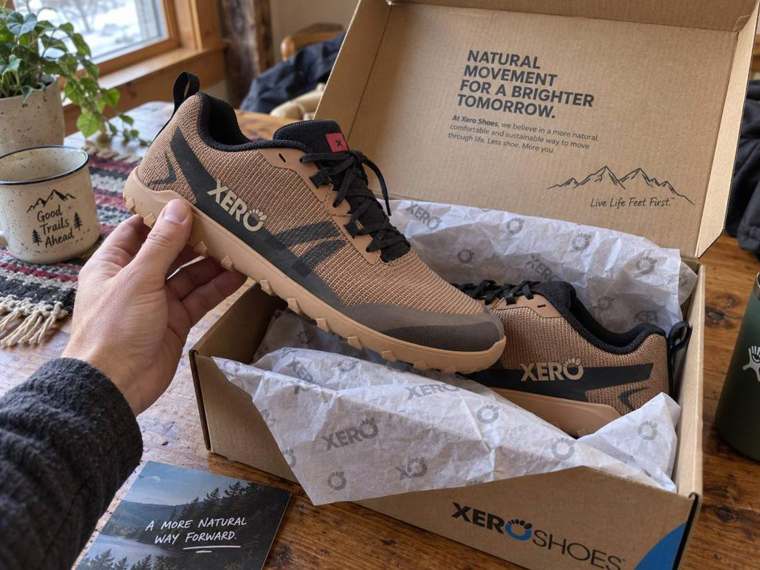
Xero sent me this pair to try. Everything below is my own take, and some Xero links are affiliate links, so Minimal-list may earn a commission if you buy through them.
I've put roughly 30–40 km into this pair over about five hikes and runs, mainly in the Picos de Europa, plus some road use.
That's included rock, gravel, dirt trails, dry hard-pack, wet rocks around rivers, wet and soft ground, and light mud.
It hasn't included deep sticky clay, steep muddy slopes, wet roots or wood, or enough genuinely nasty technical wet terrain for me to say much useful about those conditions. And 30–40 km is obviously nowhere near enough for a serious durability verdict.
Fit and sizing
My pair is UK 9.5 / EU 43.5 and the length is spot-on for me with normal running socks.
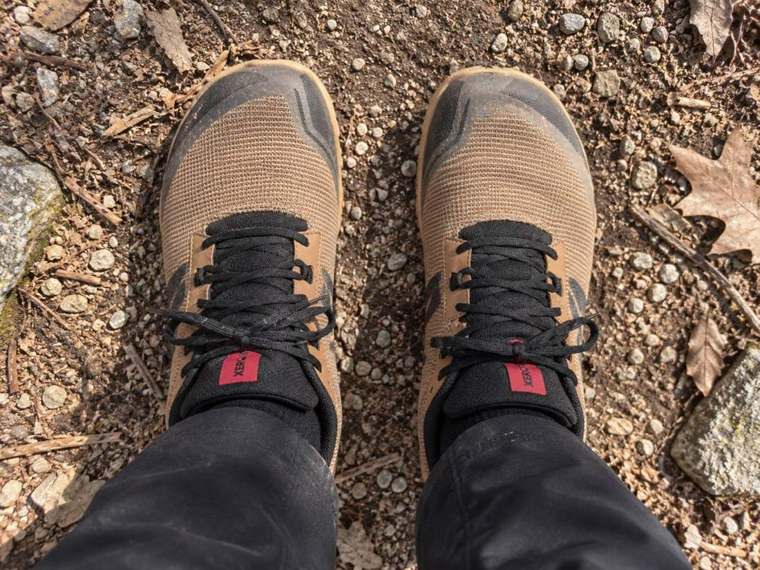
The shape is foot-shaped, but not huge and square. On my medium-width feet I've got enough room to splay naturally, although it narrows noticeably towards the outside edge. If you have very wide feet or need maximum lateral toe spread, I'd be cautious.
Removing the insole creates a little more internal volume, which may help with thicker socks, although I prefer the shoe with the insole in.
Here's where it gets annoying: nobody seems to agree on the fit. Doctors of Running calls it roomy. RunRepeat found it relatively snug. Barefoot Shoe Guide puts it among Xero's narrower barefoot options, while SectionHiker found its pair about half a size large.
So my useful answer is simply this: my normal size works for my medium-width feet. I wouldn't take that as proof it will work for yours. If you're very wide-footed or between sizes, I'd buy somewhere with easy returns.
Grip: the surface matters
With trail shoes, “good grip” doesn't tell you much.
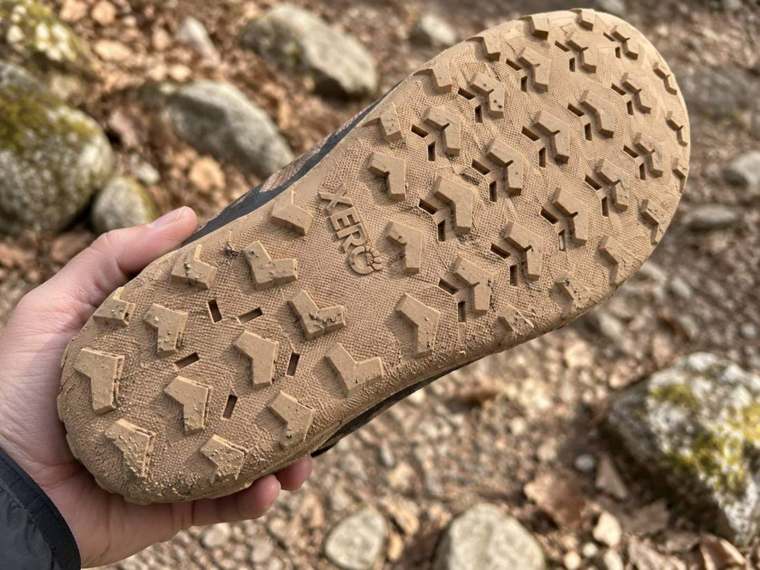
On dry hard-pack, forest trails, loose gravel and dry rock, the Mesa Summit has been very good. Light mud and wet soft ground have been fine too.
I've also used them on wet rocks around rivers and felt comfortable moving across them with sensible foot placement. That's enough for me to say they weren't sketchy in those conditions. It's not enough for me to call them brilliant on every kind of wet technical rock.
Other reviewers get more cautious as the terrain gets steeper, wetter and more technical, and that makes sense to me. RunRepeat, SectionHiker and Believe in the Run all put some kind of ceiling on the shoe there.
For me, its sweet spot is pretty clear: light-to-moderate trail running, rocky paths, gravel and day hiking. If your normal terrain is deep mud, wet roots and steep greasy mountain ground, I'd want something more aggressive.
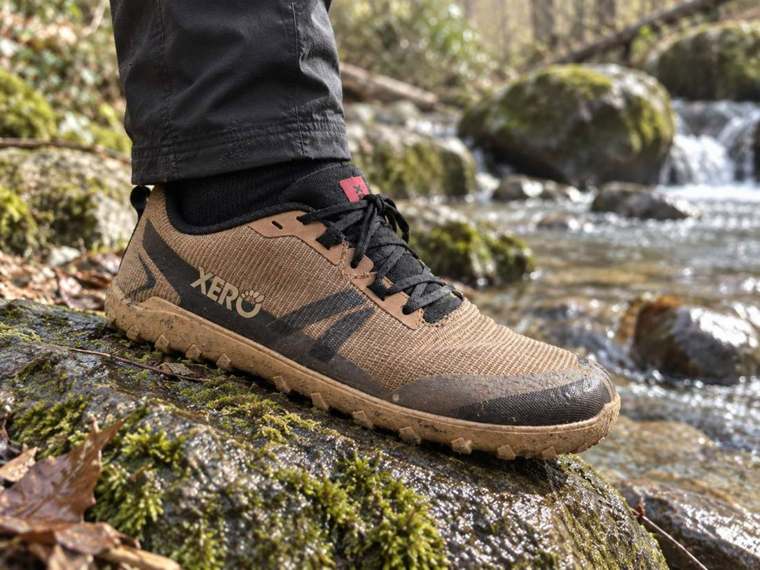
Mesa Summit vs Mesa Trail
If you already own the Mesa Trail, this is the comparison that matters.
For rocky trails, I think the Summit is the obvious upgrade.
The added protection is exactly where I wanted the Mesa Trail to improve, and it hasn't cost enough flexibility to make me miss the old shoe. For my use, the small weight penalty is easily worth it.
There are owner reports of the Mesa Trail II's insole sliding and poor wet grip. I wouldn't assume those faults carried over just because the name did. My Summit insole, for example, has stayed exactly where it should with no sliding or bunching.
Debris can still get in. On loose scree or dusty singletrack, the low collar can open slightly as the ankle moves and let small grit or twigs inside. It's irritating rather than disastrous. I certainly wouldn't tell everyone to go and buy gaiters because of it.
Overall, this feels like a genuine successor rather than a renamed Mesa Trail.
If rocky terrain is the reason you're choosing between them, check the current Mesa Summit price at Xero Shoes. If your trails are smoother and you don't need the extra protection, see the Mesa Trail II product page instead.
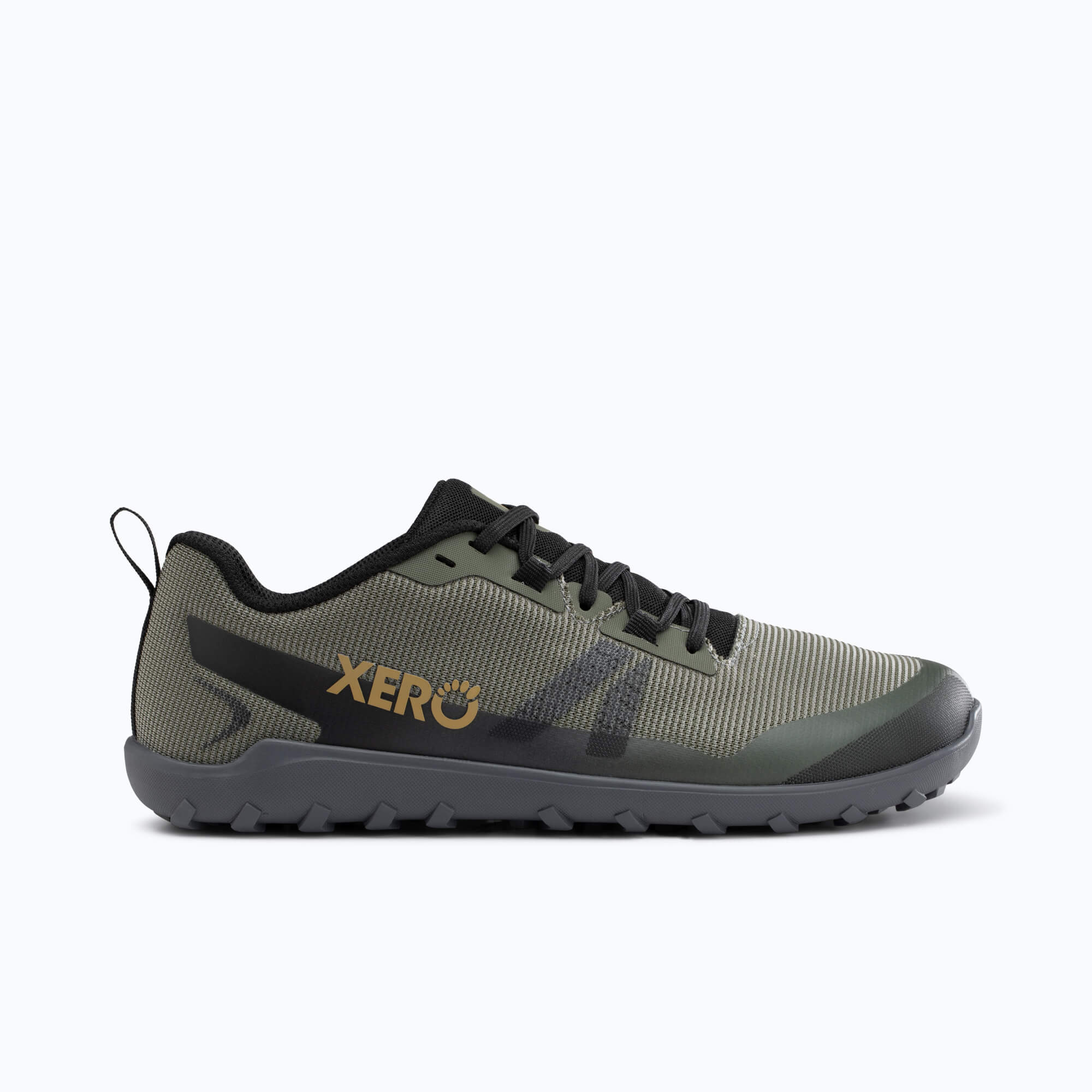
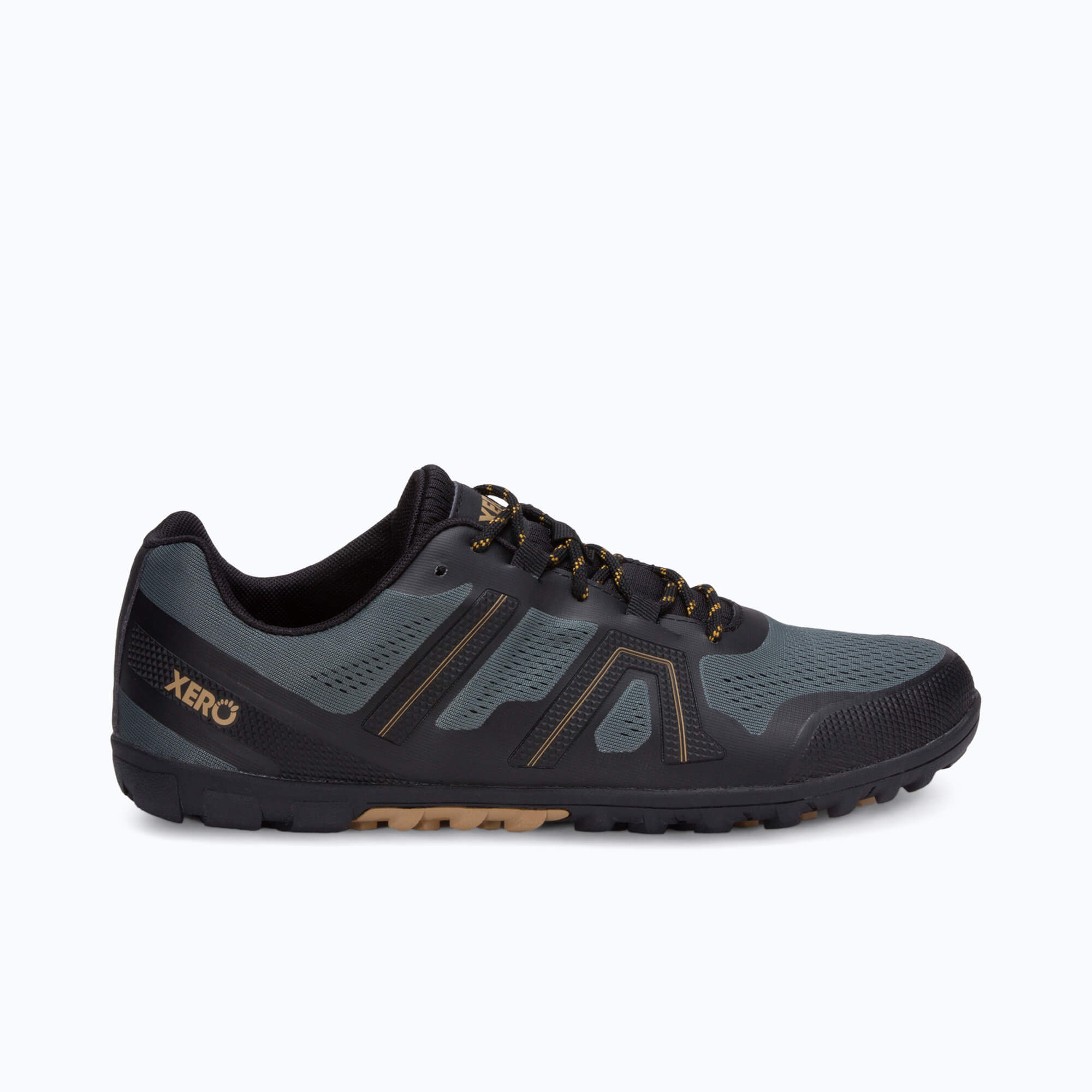
Mesa Summit vs Scrambler Low
I prefer the Summit for my normal use. It feels more naturally flexible and nimble, and closer to what I want from a minimalist trail runner.
That's a feel judgement rather than a claim that it's universally lighter, tougher or better. I haven't done enough exact side-by-side testing here to pretend otherwise.
For my mix of trail running, rocky paths and hiking, I'd pick the Summit. If your priorities are different, that answer could quite reasonably change.
If the Scrambler Low sounds closer to your priorities, check its current price at Xero Shoes rather than forcing the Summit to be the answer.
Lockdown, debris and the insole
The midfoot and heel lockdown are very good.
Xero's huarache-inspired tensioning system pulls my foot back into the heel pocket without me having to crank the laces down across the top of my foot. On descents, it feels secure rather than sloppy.
The removable insole has stayed put too. No sliding, no bunching.
The low collar is the weak point here. On loose scree and dusty singletrack it can let small grit and twigs inside as the ankle moves. Not a deal-breaker, but definitely mildly annoying.
Durability so far
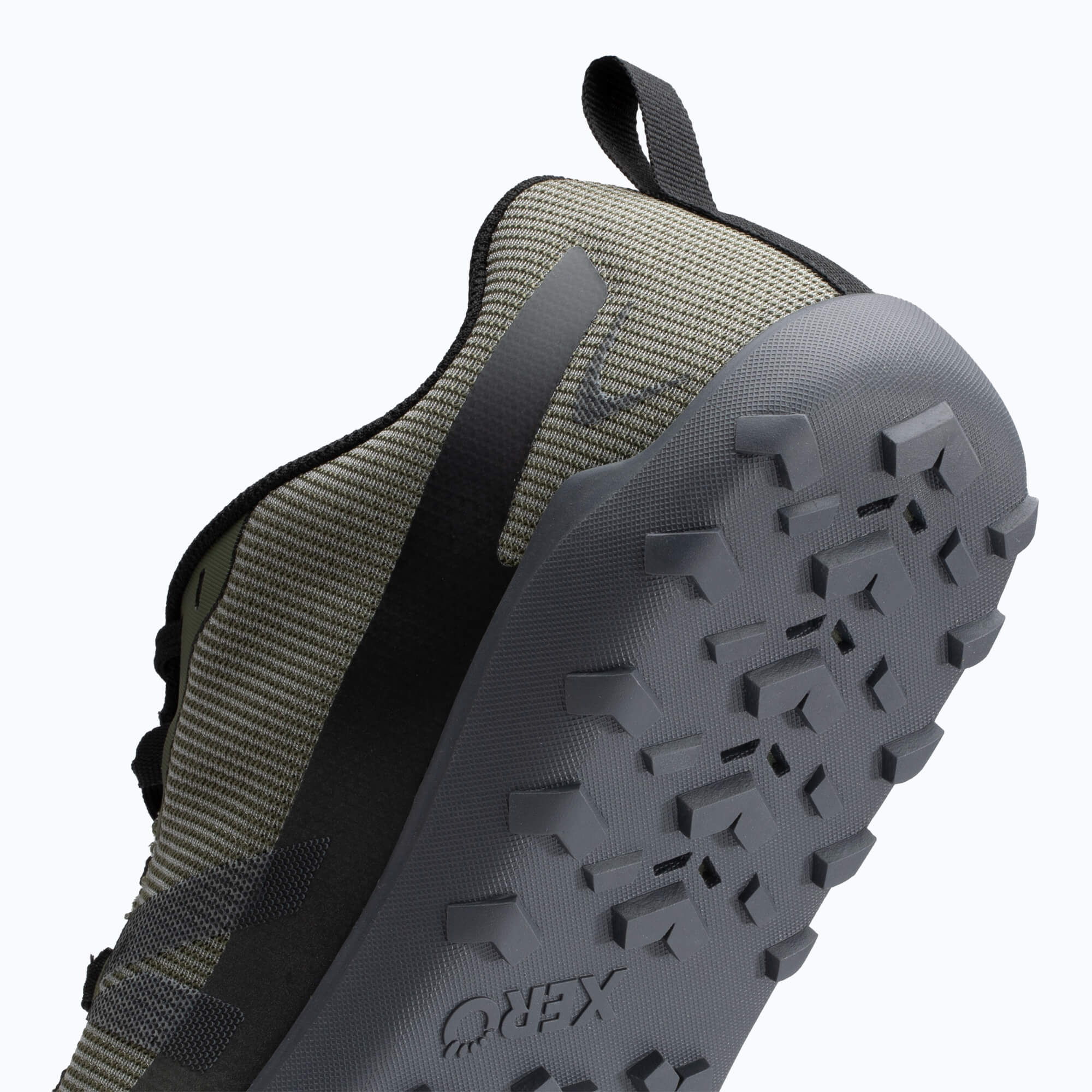
After 30–40 km, the shoes still look very good. I haven't seen significant wear in the upper, lining or heel area, and the overall construction still looks tidy.
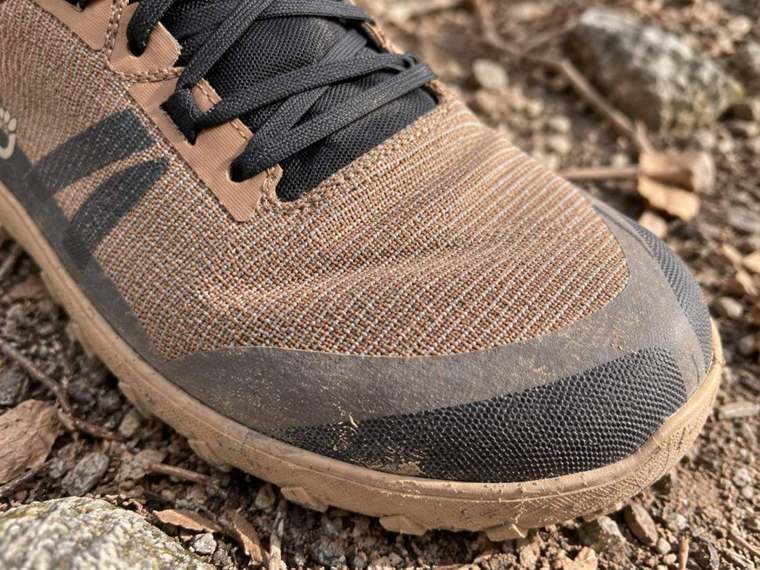
That's encouraging. It is not a durability test.
The early independent evidence looks decent too: RunRepeat found strong outsole and toe protection, and Believe in the Run reported little visible outsole wear after its 25.5-mile test. But the Mesa Summit is still too new for meaningful long-term owner evidence.
For now, “holding up well” is fair. “Durable” is getting ahead of ourselves.
The specs are slightly messier than they should be
Weight is straightforward enough. Xero lists the men's US 9 at 9.8 oz / 278 g, and RunRepeat measured 9.9 oz / 281 g. That's unusually close agreement for shoe specs.
Stack height is a bit of a mess.
Xero says 12 mm total while also describing 9.5 mm plus a 3.5 mm removable insole, which is 13 mm. Doctors of Running lists 13 mm total. RunRepeat measured roughly 13.3–13.6 mm depending on location. SectionHiker lists 9.5 mm, apparently without the insole.
I don't think the exact millimetre matters much here. The useful point is that this is still a genuinely low-stack shoe, roughly around 13 mm including the insole, rather than a conventional cushioned trail runner.
What everyone else seems to agree on
The interesting thing is that the main conclusion is not especially controversial.
Independent reviewers broadly agree that the Mesa Summit gives you noticeably more rock protection without sacrificing much flexibility. They also broadly agree that there is a point where wet, steep or highly technical terrain starts exposing its limits.
Fit is where everything falls apart. Credible reviewers disagree enough that I wouldn't trust anybody giving you one definitive width or sizing answer.
Owner evidence is still thin because the Mesa Summit only launched in August 2026. Most of what is online so far is launch reaction and questions, not months of ownership. Better to leave it at that than invent an “owners say” consensus that doesn't exist yet.
Who I think should buy it
I'd put the Mesa Summit near the top of the list if you want a genuinely minimalist shoe for:
- rocky day hikes and trail runs;
- gravel and hard-pack;
- mixed easy-to-moderate trails;
- a Mesa Trail-style feel with noticeably better sharp-rock protection;
- a flexible trail shoe that still lets your foot move naturally.
I'd be more cautious if you have very wide feet, or if most of your terrain is deep mud, wet roots, steep greasy rock or other technical ground where deeper lugs and more structure start to matter.
And if you already own a Mesa Trail but mostly run smooth, forgiving paths, I'm not sure you need to rush out and replace it. The Summit earns its keep when the ground starts getting sharp.
If that sounds like your use: check the current Mesa Summit price at Xero Shoes →
Bottom line
The Mesa Summit fixes the main thing that stopped me loving the Mesa Trail on rocky ground.
Xero has added enough protection to stop sharp rocks and roots beating up the underside of my foot without taking away the flexible, natural feel I actually want from a minimalist trail shoe.
The fit won't work for every wide foot. I haven't tested enough horrible wet terrain to call it an all-conditions mountain shoe. And I have no idea yet whether it will still look this good after a few hundred kilometres.
But for the rocky hiking and running I do, I think Xero has got the trade-off right.
At the £115 price I reviewed it at, I'd buy it with my own money. Based on these first 30–40 km, I'd buy it again too. I'll update that judgement once the shoes have seen a lot more use.