Lems ZENSPEED Lite Review: Not Barefoot, and That's the Point

Quick verdict
The ZENSPEED Lite is not a barefoot shoe. After testing both ZENSPEED models, Adam prefers the Lite as the bigger step toward minimalist running.
Quick verdict
The ZENSPEED Lite is not a barefoot shoe. I think that is important to say straight away.
It is also not pretending to be one.
After roughly 25-26 miles across the ZENSPEED Lite and ZENSPEED+ over the last couple of weeks, the Lite is easily the one I prefer. It gives me most of what I want from a running shoe: a roomy toe box, secure lockdown, low weight, good airflow, useful ground feedback and enough protection that gravelly hard-packed trails do not become a foot-punishment exercise.
It also nudges my running in the direction I want. My stride gets a little shorter and quicker, and overstriding feels less natural. It does not enforce that as strongly as a genuinely barefoot shoe would, but that is partly the point.
For me, the ZENSPEED range makes most sense as a bridge.
Conventional cushioned runner → ZENSPEED+ → ZENSPEED Lite → genuinely barefoot/minimal shoe
The Plus sits nearer the conventional end. The Lite sits noticeably further towards barefoot. If I could keep only one, I would keep the Lite.
At $165, I would buy it with my own money.
Lems sent me both ZENSPEED models free while running a separate paid Product Spotlight with Minimal-list. That paid campaign bought distribution, not this review or its conclusion. Minimal-list may earn a commission from some links.
Lems is actually pretty honest about what this shoe is
This was one of the first things I wanted to check.
Lems sells plenty of shoes that sit firmly inside the barefoot/minimalist world, so it would have been easy for them to blur the line and sell the ZENSPEED Lite as a barefoot running shoe.
They do not really do that.
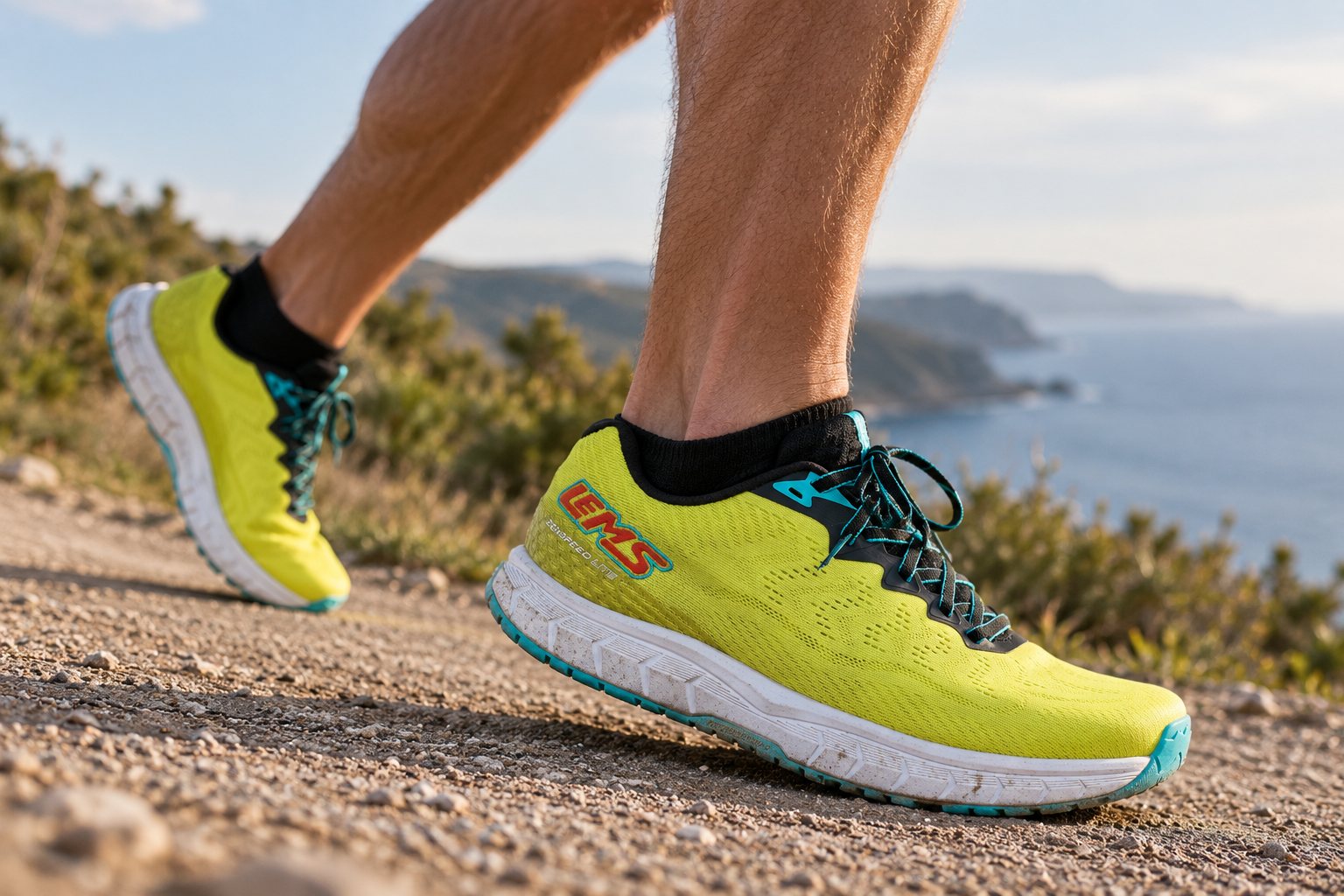
On the ZENSPEED Lite product page, Lems calls it the "more minimal" ZENSPEED, says it is for runners who want a "more minimalist feel", and publishes the geometry clearly: 24 mm at the heel, 22 mm at the forefoot and a 2 mm drop.
Their wider ZENSPEED launch material talks about natural movement and low-drop running rather than claiming that either model is a true barefoot shoe.
I think that is fair positioning.
There is still marketing language in there. Lems says its Natural Running platform encourages a natural midfoot strike, talks about healthy movement, and claims the outsole can last for hundreds of road miles. I would not treat those as established facts just because they are on the product page.
My own experience does support the softer version of the running-form claim. The Lite gives me enough feedback that a long, lazy overstride feels less comfortable, so I naturally shorten things up and turn my feet over a little quicker.
But it does not magically fix your running form, and it is nowhere near as uncompromising as a true barefoot shoe.
That distinction matters.
How I tested them
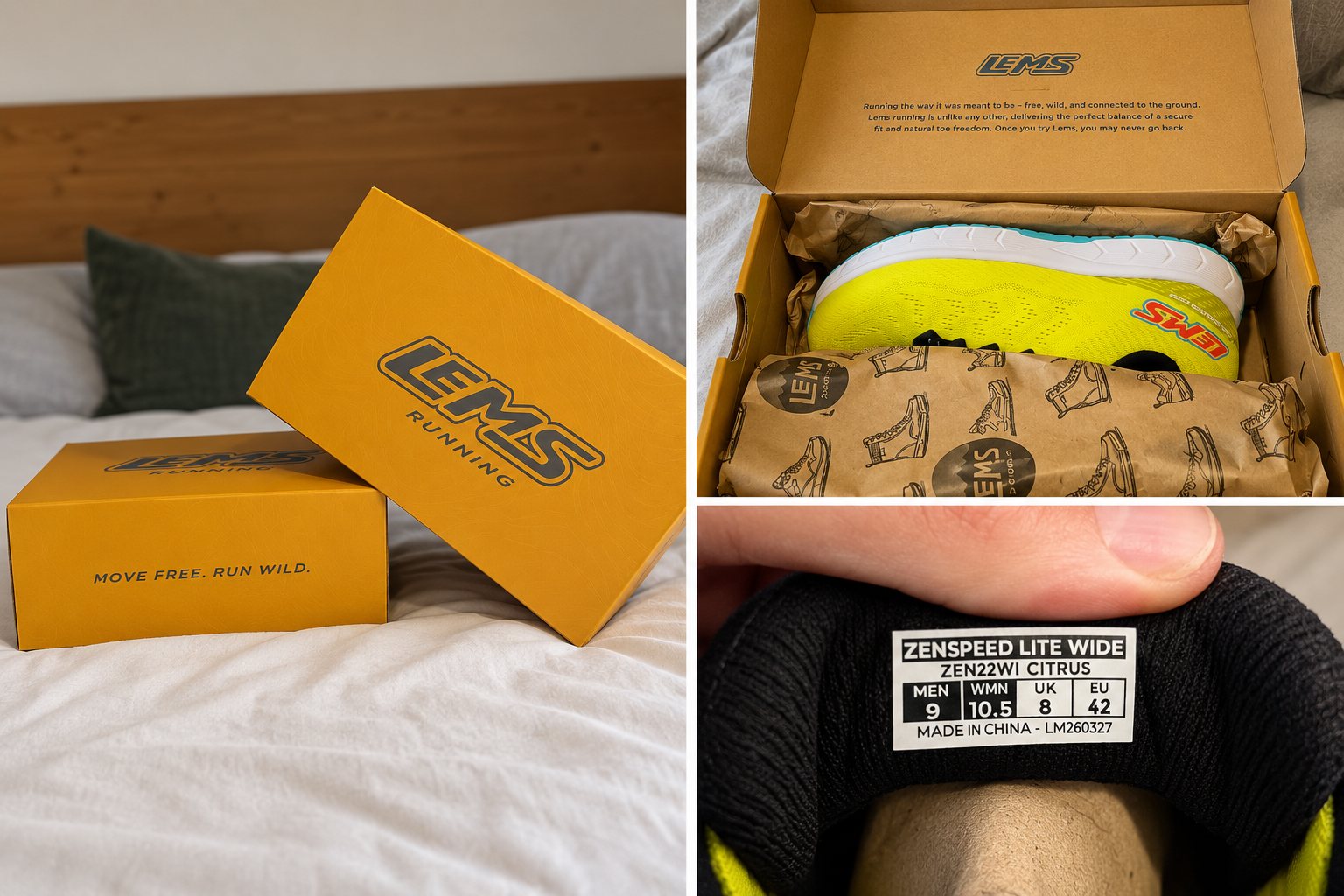
I have worn both ZENSPEED models over the last couple of weeks and put roughly 25-26 miles across the two pairs.
I have not logged that mileage separately by shoe, so I am not going to invent a neat "13 miles each" split that I do not actually have.
My Lite is a men's US 9 / UK 8 / EU 42 in the Citrus colourway. My ZENSPEED+ sample is Blackburn. I have used the Lite enough to form a clear view of the fit, ride and difference versus the Plus, including on gravelly and hard-packed surfaces.
What I cannot tell you yet is whether the outsole will still look great after 300 miles, or how it behaves in genuinely wet conditions. This is an early-use review, and I intend to update it once the shoe has a lot more mileage.
The Lite feels like the better Lems running shoe
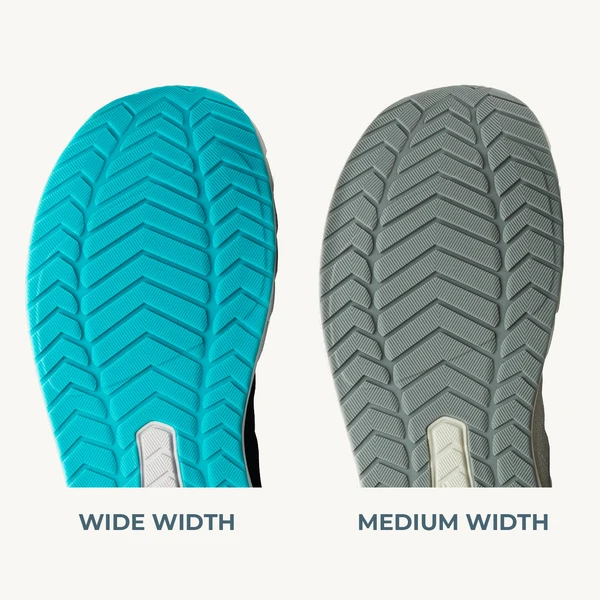
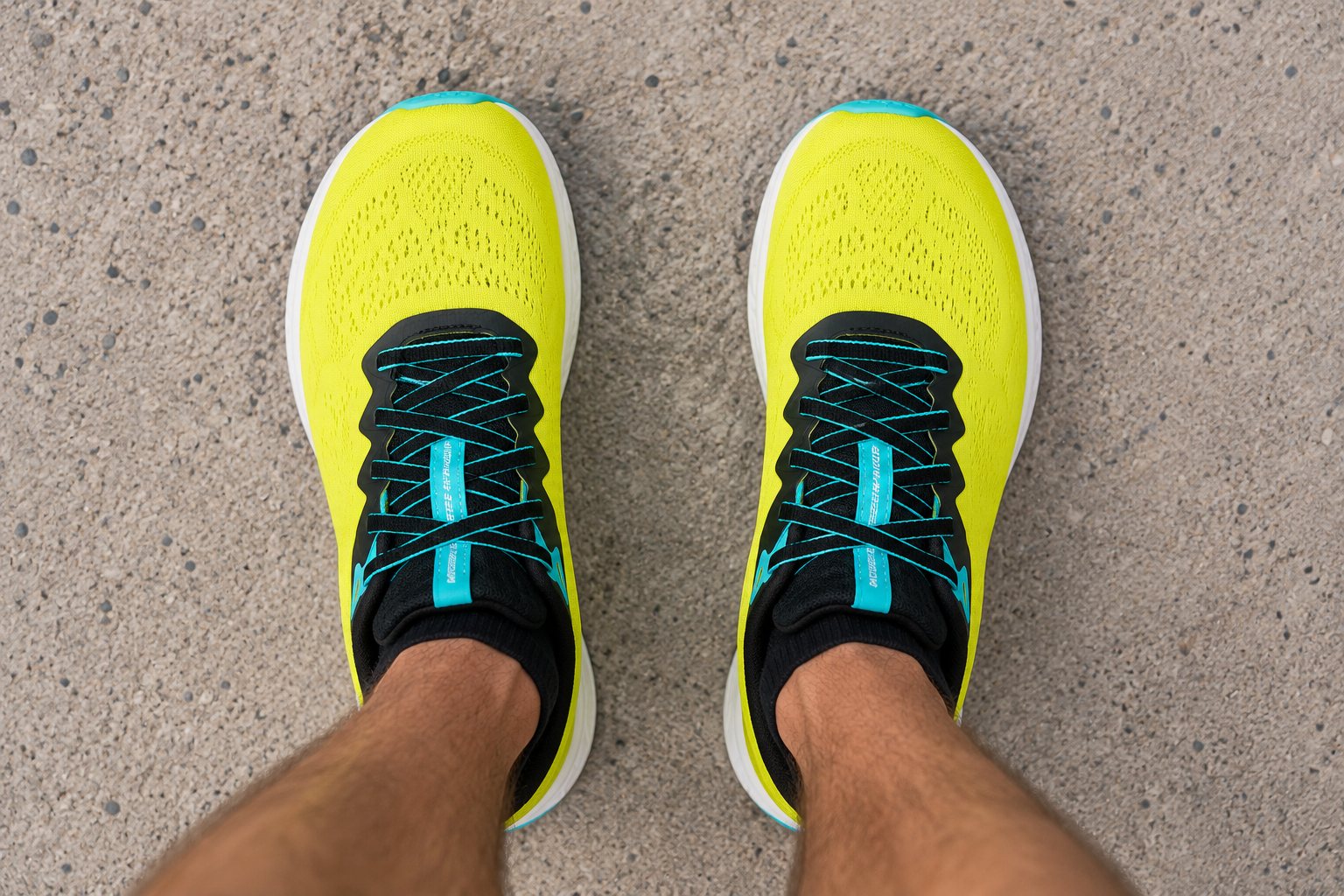
The fit is probably the first thing that makes the Lite work for me.
The toe box feels roomy, but the rest of the shoe does not feel loose. Heel and midfoot lockdown are good, and the upper feels light and airy.
That balance is harder to get right than simply making a shoe wide.
A wide forefoot is not much use if your heel is lifting or your foot is swimming around every time you change direction. The Lite gives my toes space without making the shoe feel vague.
I should add one sizing caveat: I have confirmed my sample size, but I have not yet confirmed whether Lems sent me the Medium or Wide width. So I can tell you that my US 9 / UK 8 / EU 42 pair fits me very well, but I am not going to pretend that tells every reader which width to buy.
The ride is where it really separates itself from the ZENSPEED+.
It is light, fairly quick-feeling and connected enough that I can tell what is happening underneath me. At the same time, there is enough shoe there that I am not thinking about every little stone.
That trade-off is exactly what I want when I do not want to run fully barefoot or in something ultra-thin.
This is also where my experience lines up almost exactly with Active Gear Review. Their tester put more than 35 miles on each ZENSPEED model and came away preferring the Lite for much the same reasons: roomy forefoot, strong lockdown, more ground feedback, enough protection and a tendency towards a shorter, quicker stride.
Normally I would be wary of leaning too heavily on another review when I am writing my own. In this case the interesting thing is that I had independently arrived at basically the same take.
ZENSPEED Lite vs ZENSPEED+: where you are in the transition matters
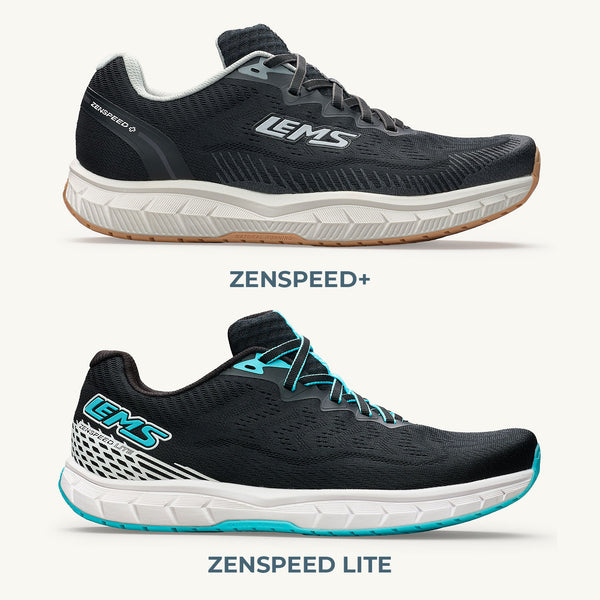
I like both shoes.
But I always reach for the Lite.
Part of that is simply my bias. I am already used to more barefoot footwear, and if I can choose something lighter, flatter and closer to the ground without making the run miserable, I generally will.
The ZENSPEED+ sits closer to a conventional cushioned running shoe. It has more stack, a 5 mm drop and a softer, more protected feel. If somebody has spent years in normal running shoes and wants to start moving towards a more natural foot shape and lower drop, I think the Plus is an excellent place to begin.
The Lite feels like the next step.
It keeps useful cushioning and protection, but at 24/22 mm and 2 mm drop there is less shoe getting between you and the ground. The result feels more minimalist and more recognisably aligned with what I like about Lems.
That does not mean everybody should progress from Plus to Lite on some rigid timetable.
Somebody could start with the Lite if they are comfortable making a bigger jump. Somebody else could stay in the Plus indefinitely because they simply prefer more cushioning.
But as a mental model, I think this is useful:
Plus = earlier transition. Lite = further towards barefoot.
For my own running, the Plus is probably too far back towards the conventional end for me to reach for very often.
The Lite is different. I can see myself choosing it when I want to put more miles down, when my feet are already a bit sore, or when I simply want more comfort and protection than I would get from my more barefoot options.
That is a pretty useful place for a shoe to occupy.
Is the ZENSPEED Lite a barefoot shoe? No
If your definition of a barefoot shoe includes a very thin sole, zero drop, high flexibility and strong ground feel, 24 mm under the heel is not barefoot.
Even though the Lite feels relatively low and connected for a modern road-running shoe, there is still a lot more between your foot and the ground than you would get from something like a Vibram FiveFingers.
That is why I think arguing over whether it is "barefoot enough" misses the more useful question.
Who is it for?
If you already run happily in very thin zero-drop shoes and want maximum sensory feedback, the Lite probably is not your endgame.
If you currently run in a normal cushioned trainer and want to move towards a foot-shaped, lower-drop shoe without making one enormous jump, it makes far more sense.
There is real value in that middle ground.
A transition does not have to mean going from a 30 or 40 mm conventional trainer straight into a few millimetres of rubber under your foot. For plenty of people, a shoe like the Plus or Lite simply makes that change feel more manageable while still moving in the direction they want.
For me, the Lite is the more interesting of the two because it gets closer to barefoot mechanics without giving up the protection I sometimes want when I am putting more miles down.
The Altra and Topo comparison is more useful than comparing it with FiveFingers
On paper, the Lite sits in a very recognisable part of the modern natural-running market.
The current Altra Escalante 4 has a 24 mm stack and zero drop, with Altra's roomiest Original FootShape fit. Minimal-list's current joined Altra programme routes through Amazon rather than Altra direct.
The current Topo Magnifly 6 sits at 26 mm and zero drop, with Topo's anatomical toe box and secure midfoot/heel philosophy.
The ZENSPEED Lite is 24/22 mm with a 2 mm drop.
I have not done a direct current-model running comparison between those shoes, so I am not going to tell you that the Lems rides better or worse.
The useful point is simply that they live in a similar neighbourhood.
These are foot-shaped road-running shoes with substantially more cushioning than a true barefoot shoe, but far less heel-to-toe differential and a more natural forefoot shape than a conventional trainer.
That is the category I would put the ZENSPEED Lite in.
Not barefoot. Not conventional. A low-drop, foot-shaped road trainer.
The stride feedback is real, but do not overstate it
Lems talks quite confidently about natural movement and midfoot striking.
I would phrase it more carefully.
My running form is already pretty good, so the Lite is not correcting some huge heel-striking problem for me. But I can still feel a difference.
There is less foam available to hide a sloppy landing.
If I let my stride creep too far out in front, the shoe gives me enough feedback that it does not feel quite as comfortable or natural. I tend to bring the foot back under me, shorten the stride and increase turnover slightly.
A pure barefoot shoe does that more strongly because there is even less protection between you and the consequences of poor form.
The Lite is a gentler version.
For somebody early in the transition, that may actually be an advantage.
Protection without losing too much feel
This is the trade-off I think Lems has got right.
On gravelly hard-packed surfaces, I still get useful information through the sole, but I do not feel like I am being punished for every sharp little stone.
That matters because "ground feel" is not automatically better the more extreme it gets.
Sometimes I want maximum feedback. Sometimes I want to run farther, or my feet are already tired, and I would rather have a bit more between me and the ground.
The Lite gives me enough protection that I can make that choice without feeling like I have gone back to a big conventional running shoe.
I would not call it a technical trail shoe. That is not how Lems positions it either.
But for smooth gravel, firm dirt and hard-packed paths, I have found it comfortably protective enough.
$165 is not cheap, but the shoe feels properly made
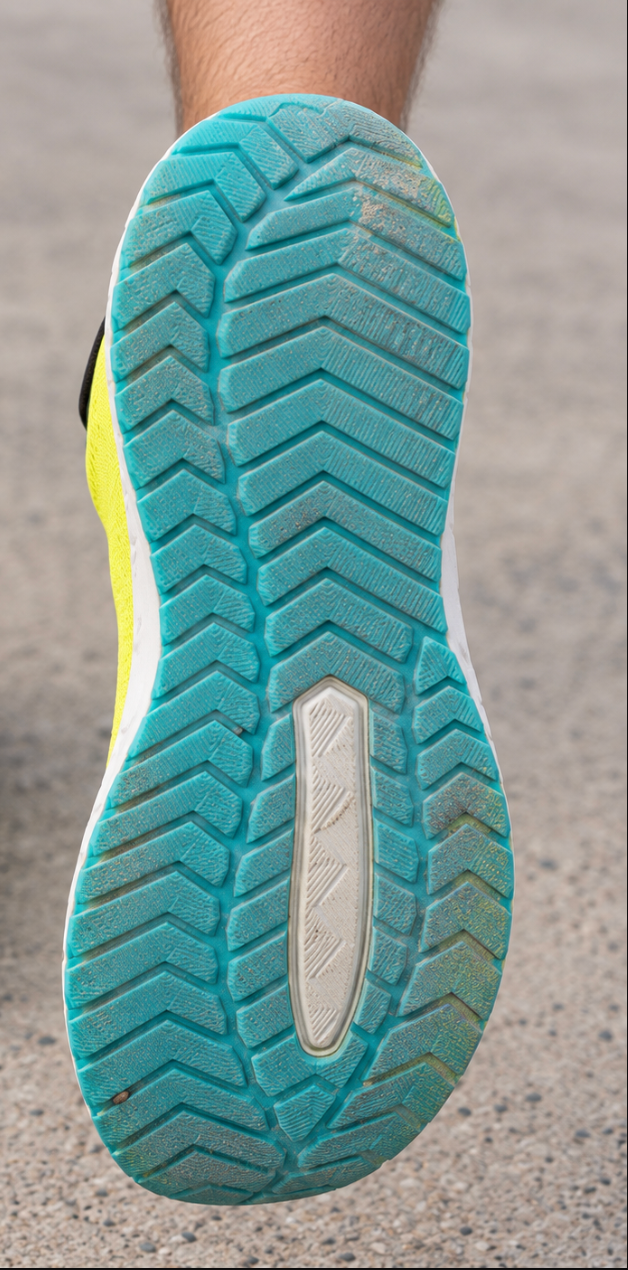
At $165, the Lite has to compete with established running brands, not just with barefoot enthusiasts who already like Lems.
So far, I think the build quality supports the price.
Both ZENSPEED models feel well made, and they are holding up very well over my early testing. Nothing about the upper, outsole or general construction currently makes me worry that Lems has rushed its first purpose-built road-running line to market.
That is still an early impression.
Lems talks about hundreds of miles of road durability. I am nowhere near a mileage where I can confirm that, and neither is most of the independent evidence available yet.
For now my judgement is simpler: the quality feels good enough that I would spend $165 on the Lite myself. Check current ZENSPEED pricing.
I will update this once I have put substantially more mileage into it.
Who I think should buy the ZENSPEED Lite
I think the Lite makes the most sense for a few groups.
If you are coming from conventional running shoes and already know you want a fairly meaningful move towards low-drop, foot-shaped footwear, the Lite is a strong option.
If you have already started transitioning through something more cushioned, the Lite feels like a logical next step towards barefoot without going all the way.
And if you already wear true barefoot shoes, it can still make sense as a higher-mileage or comfort-day runner when you want more protection without completely giving up ground feedback and foot shape.
I would choose the ZENSPEED+ instead if you are right at the beginning of the transition and want the least disruptive first step, or if cushioning matters more to you than ground connection.
I would skip both and go thinner if your actual goal is maximum barefoot feel.
Bottom line
The ZENSPEED Lite works because Lems has not tried to make one shoe do everything.
It is not a barefoot shoe. Lems is reasonably upfront about that.
Instead, it sits in the space between a normal road trainer and genuinely minimalist footwear, and after wearing both ZENSPEED models, I think the Lite occupies that space very well.
It has the roomy toe box and secure fit I want, enough cushioning to make road mileage comfortable, enough ground feedback to keep the run feeling alive, and just enough consequence underfoot that my stride naturally stays a little shorter and quicker.
The Plus will make more sense for plenty of people, especially at the beginning of the transition.
But if I could keep only one, I would take the Lite.
At $165, I would buy it myself. And even as somebody who normally leans more barefoot whenever I can, I expect this is the ZENSPEED I will keep reaching for when I want to run farther, give my feet a break, or simply want a little more comfort without going all the way back to a conventional shoe.